Tip #1: Cut Down On Fermentation Time
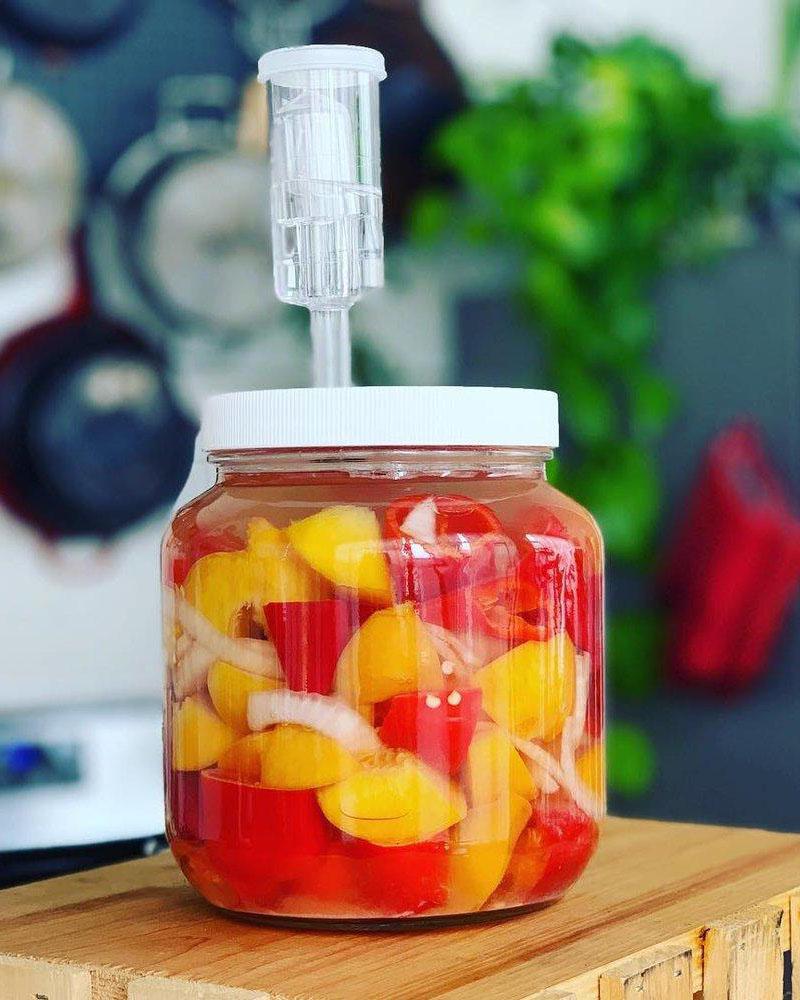
Higher temperatures cause fermentation to happen a lot quicker. This means different things for different ferments: with sauerkraut, or pickles, the vegetables can get mushy. Kombucha can get too sour in the same amount of time that used to taste perfect. And ferments with higher sugar contents can even mold or ferment into alcohol.
To combat this you want to keep a close eye on your ferments (and by a close eye, we mean you need to be tasting them along the way) and move them to the fridge as soon as they taste tart enough for you. Does this mean your ferment isn’t done, or is under-fermented? The answer is: Sort of. Higher temperatures causes acids to develop much faster. Which is okay (especially if managed) but not ideal. That flurry of activity is stressful to the ferment and can lead to off-flavors and underdeveloped acidity. Shortening the fermentation time means that you are hitting that acidity level and then slowing everything down before it turns into a sour mush.
Tip #2: Add a Bit More Salt
Salt slows down fermentation, so increasing the salt (just a bit) in warmer temps can help.
Tip #3: Find A Cooler Spot to Ferment
This is definitely the trickiest one. It may require some creative thinking. But being hot outside doesn’t necessarily mean it’s hot everywhere in your house. In the summer, take advantage of those cooler spots indoors (the basement, a low cabinet, or even try wrapping your fermenter in a cold dish towel). You’re looking to keep your ferment under 75° F. This is especially important for the first 48 hours of fermentation, so you may want to time when your next fermentation project to a weekend when you’re home with the AC running.
Tip #4: Trust Your Senses
If something smells rotten, or looks slimy. Toss it in the compost.